

General
Festive Season Digestive Health: Managing Acidity, Bloating and IBS Before the Diwali Feasting Begins
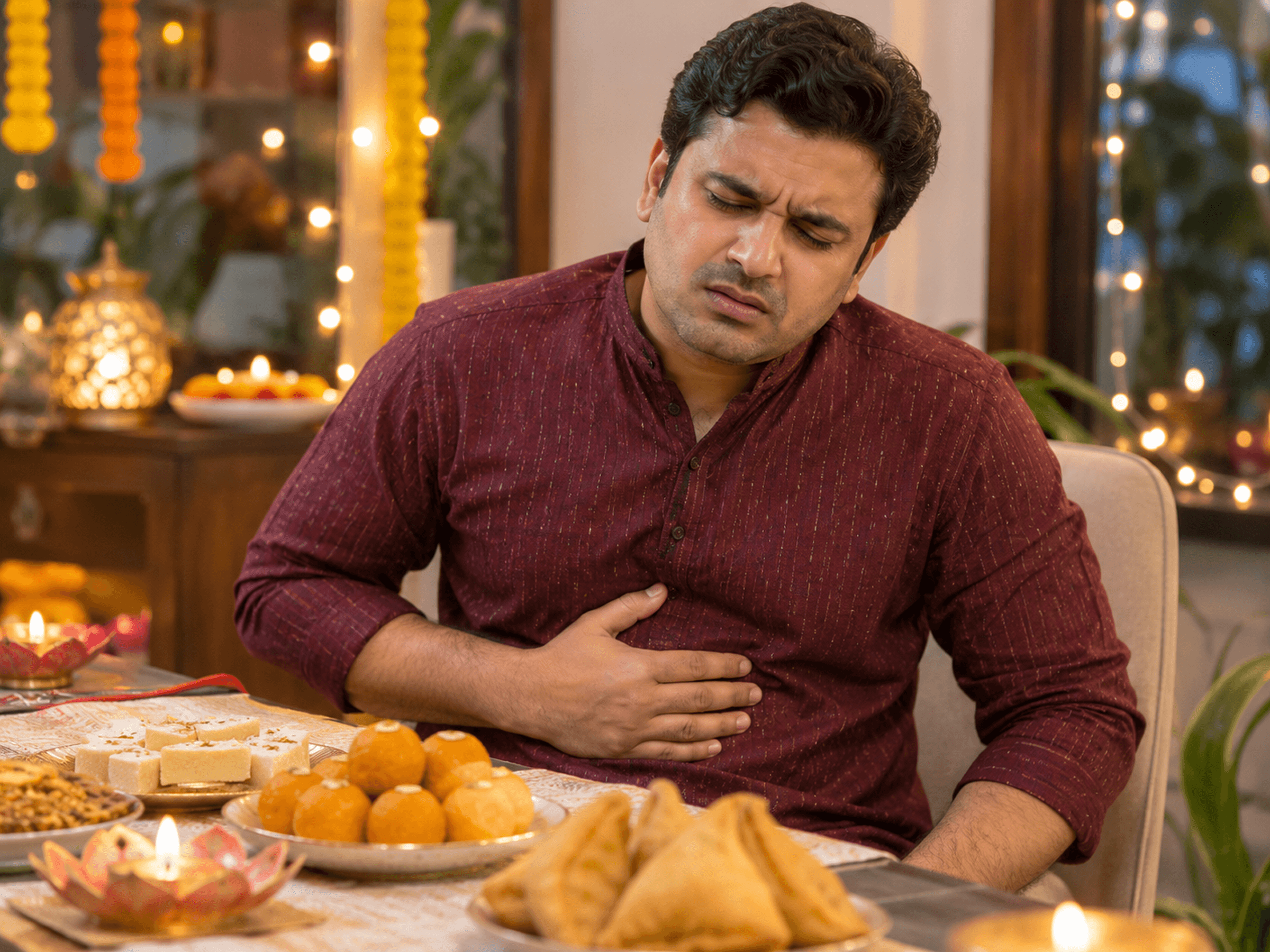
The festive season brings families and friends together to celebrate, reconnect and enjoy special meals. From traditional sweets and savoury snacks to elaborate dinners, food plays an important role in many of these celebrations.
However, changes in eating habits during the festive season can sometimes affect digestive health. Consuming larger portions, fried foods and late-night meals may contribute to symptoms such as acidity, bloating and abdominal discomfort.
For individuals already experiencing digestive conditions such as acid reflux or Irritable Bowel Syndrome (IBS), these changes may make existing symptoms more noticeable.
Understanding how different digestive conditions affect the body and making suitable adjustments to eating habits may help individuals manage their symptoms more effectively.
It is also important to understand that acidity, bloating and IBS are not the same. Although they may share certain symptoms, their causes and management approaches can differ.
Understanding Acidity, Bloating and IBS
Digestive discomfort can develop for several reasons. While occasional symptoms may be associated with dietary habits, recurring problems may indicate an underlying condition that requires further evaluation.
1. Acidity and Acid Reflux
Acid reflux occurs when stomach contents flow backwards into the oesophagus, commonly known as the food pipe.
This may cause a burning sensation in the chest, known as heartburn. Some individuals may also experience a sour taste in the mouth or the sensation of food or liquid returning from the stomach.
Occasional acid reflux may occur after consuming a large meal or certain foods. However, when reflux causes frequent or troublesome symptoms, or leads to complications, it may indicate Gastroesophageal Reflux Disease (GERD).
Common symptoms associated with acid reflux include:
- A burning sensation in the chest, particularly after meals
- A sour or acidic taste in the mouth
- Regurgitation of food or stomach contents
- Discomfort that worsens when lying down
- Difficulty swallowing in certain cases
It is important to understand that not every burning sensation in the chest is caused by acid reflux.
Frequent heartburn, persistent vomiting, difficulty swallowing or unexplained weight loss may require medical evaluation to identify the underlying cause.
2. Bloating and Gas
Bloating refers to a sensation of fullness, tightness or swelling in the abdomen. Some individuals may also notice visible abdominal swelling, although this does not occur in every case.
Gas is naturally present in the digestive system. It may enter through swallowed air or develop when bacteria in the large intestine break down certain carbohydrates.
Several factors may contribute to bloating, including:
- Eating large meals
- Eating quickly and swallowing excess air
- Consuming carbonated beverages
- Difficulty digesting certain foods
- Constipation
- Certain underlying digestive conditions
Although occasional bloating is common, persistent or worsening symptoms may require further attention.
Bloating accompanied by significant abdominal pain, unexplained weight loss, blood in the stool or changes in bowel habits may indicate the need for medical evaluation.
3. Irritable Bowel Syndrome (IBS)
Irritable Bowel Syndrome is a chronic digestive condition involving the interaction between the gut and the brain.
It is commonly associated with recurring abdominal pain and changes in bowel movements.
Depending on the individual, IBS may cause constipation, diarrhoea or alternating episodes of both.
Common symptoms include:
- Recurring abdominal pain or cramps
- Bloating and abdominal discomfort
- Diarrhoea or constipation
- Changes in stool frequency or appearance
- Symptoms that may improve or worsen after bowel movements
Unlike certain inflammatory bowel conditions, IBS does not typically cause visible structural damage to the intestines.
However, its symptoms can affect daily activities and overall quality of life.
Dietary habits, stress, sleep disturbances and other factors may influence IBS symptoms. These triggers can vary between individuals.
It is also important to understand that consuming rich or spicy food does not directly cause IBS. However, certain foods may trigger or worsen symptoms in people already living with the condition.
Since other digestive disorders can produce similar symptoms, recurring abdominal discomfort may benefit from medical evaluation rather than being assumed to be IBS.
Understanding Your Digestive Health Before the Festive Season
Preparing for festive celebrations often involves planning meals and activities. For individuals experiencing recurring digestive symptoms, understanding their eating patterns and existing conditions may help reduce unnecessary discomfort.
One approach is to maintain a food and symptom diary.
This may include:
- Types of food consumed
- Meal timings and portion sizes
- Occurrence of acidity, bloating or abdominal pain
- Changes in bowel movements
- Medications being taken
- Stress and sleep patterns
Recording these details may help identify patterns associated with digestive discomfort.
For example, an individual may tolerate a particular food in small quantities but experience symptoms after consuming larger portions or combining it with several other dishes.
However, a food diary alone cannot always establish whether a particular ingredient is responsible for the symptoms.
Individuals experiencing frequent digestive problems or symptoms that do not improve with existing treatment may benefit from discussing their concerns with a healthcare professional.
Depending on the symptoms and medical history, further evaluation may help determine whether dietary changes, medication adjustments or additional investigations are necessary.
Managing Acidity and Acid Reflux During Festive Meals
Festive celebrations often involve large meals, fried snacks, sweets and late-night gatherings.For individuals experiencing acid reflux, these eating patterns may contribute to digestive discomfort.
Certain dietary and lifestyle adjustments may help manage symptoms.
1. Maintain Regular Meal Timings
Eating large meals immediately before bedtime may increase the likelihood of acid reflux.
Individuals experiencing nighttime reflux may benefit from finishing their meals at least three hours before lying down.
When celebrations extend late into the evening, having the main meal earlier may help reduce discomfort.
2. Identify Foods That Trigger Symptoms
Certain foods and beverages may worsen acid reflux in some individuals.
These may include:
- Fried and high-fat foods
- Spicy dishes
- Chocolate
- Coffee and other caffeinated beverages
- Acidic foods
- Alcohol
However, not everyone experiences symptoms after consuming these foods.
Rather than avoiding all of them, individuals may benefit from identifying personal triggers and adjusting their dietary choices accordingly.
3. Avoid Overeating
Large meals may increase pressure within the stomach and contribute to reflux symptoms.
Consuming smaller portions and taking adequate time to finish meals may help reduce discomfort.
During festive gatherings, individuals can enjoy their preferred foods while paying attention to portion sizes and how their bodies respond.
4. Avoid Lying Down Immediately After Meals
Lying down soon after eating may make it easier for stomach contents to flow back into the oesophagus.
Maintaining an upright position after meals and allowing sufficient time before bedtime may help reduce reflux symptoms.
If symptoms continue despite these adjustments, a medical consultation may help identify whether additional treatment is required.
How to Reduce Bloating During Festive Celebrations
Bloating is a common digestive complaint that may become more noticeable when eating habits change.
Although occasional bloating may resolve on its own, repeated episodes may benefit from adjustments to dietary habits.
1. Eat Slowly and Chew Food Properly
Eating quickly may increase the amount of air swallowed during meals, which can contribute to gas and abdominal discomfort.
Taking time to chew food thoroughly and avoiding hurried meals may help reduce these symptoms.
Individuals who frequently experience bloating may also benefit from limiting carbonated beverages if they notice that these worsen their symptoms.
2. Choose Moderate Portions
Consuming large quantities of food may contribute to abdominal fullness and discomfort.
Eating smaller, manageable portions may help individuals who are prone to bloating.
Maintaining regular meal timings instead of skipping meals in anticipation of a large dinner may also help avoid overeating.
3. Identify Foods That Cause Digestive Discomfort
Certain carbohydrates may contribute to gas formation during digestion.
Foods that may produce symptoms in some individuals include:
- Beans and certain pulses
- Vegetables such as cabbage and cauliflower
- Milk and dairy products in individuals with lactose intolerance
- Foods containing certain sugar substitutes
However, these foods also provide important nutrients and do not necessarily need to be avoided by everyone.
Individuals experiencing recurring symptoms may benefit from professional dietary guidance before eliminating multiple food groups.
4. Manage Constipation
Constipation can sometimes contribute to abdominal bloating and discomfort.
Adequate hydration, regular physical activity and suitable dietary fibre intake may help support healthy bowel movements.
However, persistent constipation or significant changes in bowel habits may require medical evaluation.
Individuals should also avoid repeatedly using laxatives or digestive cleanses without appropriate medical guidance.
Managing IBS During the Festive Season
For individuals living with Irritable Bowel Syndrome, changes in meal timings, food choices and daily routines may contribute to worsening symptoms.
Since IBS affects individuals differently, management should be based on personal symptom patterns and medical recommendations.
1. Maintain Regular Meals and Familiar Food Choices
There is no single dietary plan that works for everyone with IBS.
However, maintaining regular meal timings and choosing foods that are generally well tolerated may help some individuals manage their symptoms.
During festive gatherings, individuals may prefer familiar foods and smaller portions of dishes that have previously caused discomfort.
Skipping meals or introducing several unfamiliar foods simultaneously may make it difficult to identify possible triggers.
A consistent eating routine may also help individuals understand how changes in meal timings affect their symptoms.
2. Pay Attention to Stress and Sleep
The digestive system and the brain are closely connected, and this relationship plays an important role in IBS.
Stress and changes in sleep patterns may influence digestive symptoms in some individuals.
However, this does not mean that IBS is caused entirely by stress or that its symptoms are psychological.
Maintaining adequate sleep, regular meals and suitable stress-management practices may form part of an individualised approach to managing the condition.
Individuals experiencing persistent symptoms may benefit from discussing their digestive concerns and their impact on daily life with a healthcare professional.
3. Include the Right Type of Fibre
Dietary fibre may help manage certain IBS symptoms, particularly constipation.
However, the type and quantity of fibre consumed are important.
Soluble fibre, found in foods such as oats and psyllium, may be better tolerated by some individuals with IBS than large quantities of insoluble fibre.
Increasing fibre intake too quickly may worsen gas and bloating.
Therefore, dietary changes should be introduced gradually and, when necessary, under the guidance of a doctor or dietitian.
4. Understand the Role of a Low FODMAP Diet
FODMAPs are certain carbohydrates that may be poorly absorbed in the small intestine and contribute to digestive symptoms in some individuals.
For selected individuals with IBS, a low FODMAP diet may help reduce symptoms.
However, this diet is not intended to involve permanent restrictions on multiple food groups.
A medically guided low FODMAP approach generally involves:
- Temporarily reducing foods containing higher amounts of certain FODMAPs
- Reintroducing foods systematically to assess tolerance
- Developing a personalised dietary plan based on the findings
The objective is to identify specific dietary triggers while maintaining adequate nutrition.
Individuals should avoid beginning highly restrictive diets without professional guidance, particularly if they are already experiencing weight loss or nutritional concerns.
Understanding Medications and Home Remedies for Digestive Problems
During the festive season, individuals experiencing digestive discomfort may turn to antacids, digestive supplements or home remedies for relief.
Although certain medications may help manage symptoms, their suitability depends on the underlying condition.
1. Medications for Acidity
Antacids may provide temporary relief from mild acid reflux symptoms.
Other medications that reduce stomach acid production may be recommended for individuals experiencing frequent reflux.
However, recurring or severe symptoms should not be managed through repeated self-medication alone.
Medical evaluation may help identify the underlying cause and determine whether additional treatment is necessary.
2. Medications for IBS
IBS treatment may involve different medications depending on whether constipation, diarrhoea, abdominal pain or other symptoms are predominant.
A medication that helps one individual may not be suitable for another.
Therefore, individuals should follow their prescribed treatment plans and discuss any required changes with their healthcare professional.
3. Avoid Unnecessary Digestive Cleanses
Certain products are marketed as digestive detox solutions or remedies for overeating.
However, there is insufficient scientific evidence that commercial detox drinks, restrictive juice cleanses or laxative-based programmes remove toxins or restore digestive health.
Some restrictive practices and excessive laxative use may also cause dehydration or other health concerns.
Returning to regular, balanced meals and maintaining adequate hydration may be more appropriate after occasional overeating.
If digestive symptoms persist, medical evaluation may help identify whether an underlying condition requires attention.
When Should Digestive Symptoms Require Medical Attention?
Occasional digestive discomfort may occur after changes in eating habits. However, persistent, worsening or unusual symptoms should not be ignored.
Recognising when medical evaluation may be necessary can help identify underlying conditions and guide appropriate treatment.
1. Symptoms That May Require Medical Evaluation
Individuals may benefit from a medical consultation if they experience:
- Frequent or persistent heartburn
- Recurring abdominal pain or bloating
- Ongoing constipation or diarrhoea
- Significant changes in bowel habits
- Difficulty swallowing
- Persistent vomiting
- Unexplained weight loss
- Blood in the stool
A family history of gastrointestinal diseases may also be relevant during medical evaluation.
Individuals previously diagnosed with IBS should not automatically attribute every new digestive symptom to the condition.
Changes in symptom patterns may require further assessment.
2. Warning Signs That Require Urgent Medical Care
Certain symptoms may indicate a more serious medical problem and require immediate medical attention.
These include:
- Sudden or severe abdominal pain
- Vomiting blood or material resembling coffee grounds
- Black, tarry stools
- Severe abdominal swelling accompanied by vomiting
- Inability to pass stool or gas along with significant abdominal discomfort
These symptoms may indicate gastrointestinal bleeding, intestinal obstruction or other conditions requiring urgent evaluation.
It is also important to understand that chest pain should not automatically be attributed to acidity.
Sudden or persistent chest discomfort, particularly when accompanied by breathlessness, sweating, nausea or pain spreading to the arm, jaw or back, requires emergency medical attention.
Certain heart-related conditions may produce symptoms resembling indigestion, making timely medical evaluation essential.
How Are Digestive Conditions Diagnosed?
When an individual experiences recurring digestive symptoms, the doctor generally begins by reviewing their medical history and the nature of their complaints.
The evaluation may include questions about:
- Frequency and duration of symptoms
- Location and severity of abdominal pain
- Changes in bowel movements
- Dietary habits and meal timings
- Current medications
- Previous digestive conditions
- Relevant family medical history
A physical examination may also be performed.
Depending on the symptoms and clinical findings, the doctor may recommend additional investigations.
These may include blood tests, stool examinations, endoscopy, colonoscopy or other diagnostic procedures when clinically appropriate.
For example, an upper gastrointestinal endoscopy may help evaluate certain persistent reflux symptoms or investigate warning signs.
A colonoscopy may be considered in selected cases involving changes in bowel habits, gastrointestinal bleeding or other concerning findings.
However, not every individual experiencing acidity, bloating or IBS symptoms requires an endoscopy or colonoscopy.
The need for further investigations depends on the patient's medical history, examination findings and suspected underlying condition.
Digestive Health Care at ISIC Multispeciality Hospital
Managing digestive symptoms begins with identifying their possible causes and understanding how they affect everyday health.
At ISIC Multispeciality Hospital, the Department of Gastro Sciences provides specialist evaluation and treatment for a range of gastrointestinal conditions.
The department offers diagnostic and therapeutic procedures, including gastrointestinal endoscopy, colonoscopy, endoscopic biopsy and testing for Helicobacter pylori infection when clinically indicated.
These investigations can help doctors evaluate selected digestive conditions and determine suitable treatment approaches.
ISIC's Department of Internal Medicine also provides medical evaluation for conditions such as gastritis and acid reflux, along with other general health concerns.
For individuals experiencing persistent acidity, bloating, abdominal pain or changes in bowel habits, a medical consultation may help determine whether further investigations or specialist care are necessary.
Depending on the diagnosis, management may involve dietary modifications, medications, monitoring or additional treatment.
Individuals seeking medical guidance for recurring digestive symptoms may consider consulting the Gastro Sciences Department at ISIC Multispeciality Hospital.
ISIC Multispeciality Hospital
Sector C, Vasant Kunj, New Delhi – 110070
Phone: 011 42255225
Email: appointment@isichealthcare.org
Website: https://isichealthcare.org/
Appointments: https://isichealthcare.org/book-an-appointment
Preparing for Festive Celebrations With Digestive Conditions
Individuals with existing digestive conditions may benefit from taking certain precautions before festive gatherings.
Some practical measures include:
1. Plan Meals in Advance: Maintaining regular meal timings may help prevent excessive hunger and overeating during celebrations.
2. Choose Moderate Portions: Consuming smaller portions of preferred foods may help reduce discomfort associated with large meals.
3. Maintain Adequate Hydration: Drinking sufficient water supports normal digestive function and overall health.
4. Identify Personal Food Triggers: Individuals experiencing acid reflux or IBS may benefit from identifying foods that have previously worsened their symptoms.
5. Continue Prescribed Treatment: Existing medications should be taken as directed, without making changes based on temporary dietary adjustments.
6. Allow Sufficient Time Between Meals and Bedtime: Individuals prone to nighttime acid reflux may benefit from finishing meals at least three hours before lying down.
7. Seek Medical Guidance When Necessary: Persistent digestive symptoms may require medical evaluation rather than repeated self-medication.
It is also important to remember that dietary restrictions do not need to be unnecessarily extensive.
The objective is to maintain a balanced approach to eating while considering individual health requirements.
Disclaimer: This article provides general health information & does not replace professional medical advice, diagnosis or treatment. Always consult a qualified doctor for medical advice, diagnosis & treatment. Do not ignore symptoms, delay seeking care or change prescribed treatment without consulting your doctor.
Frequently Asked Questions

Latest Blogs
View All BlogsLatest Blogs

General
Remembering Major H. P. S. Ahluwalia: From Everest to the Founding of ISIC
General
Brain Tumours Explained: Types, Symptoms and Advances in Neurosurgical Treatment

Physical Medicine and Rehabilitation
Hydrotherapy for Rehabilitation: Types, Benefits, and How It Supports Recovery

Renal Sciences
Prostate Health After 40: A Complete Guide to Screening and Early Intervention
General
Remembering Major H. P. S. Ahluwalia: From Everest to the Founding of ISIC
General
Brain Tumours Explained: Types, Symptoms and Advances in Neurosurgical Treatment
Physical Medicine and Rehabilitation
Hydrotherapy for Rehabilitation: Types, Benefits, and How It Supports Recovery
Renal Sciences
Prostate Health After 40: A Complete Guide to Screening and Early Intervention


