

Physical Medicine and Rehabilitation
Hydrotherapy for Rehabilitation: Types, Benefits, and How It Supports Recovery
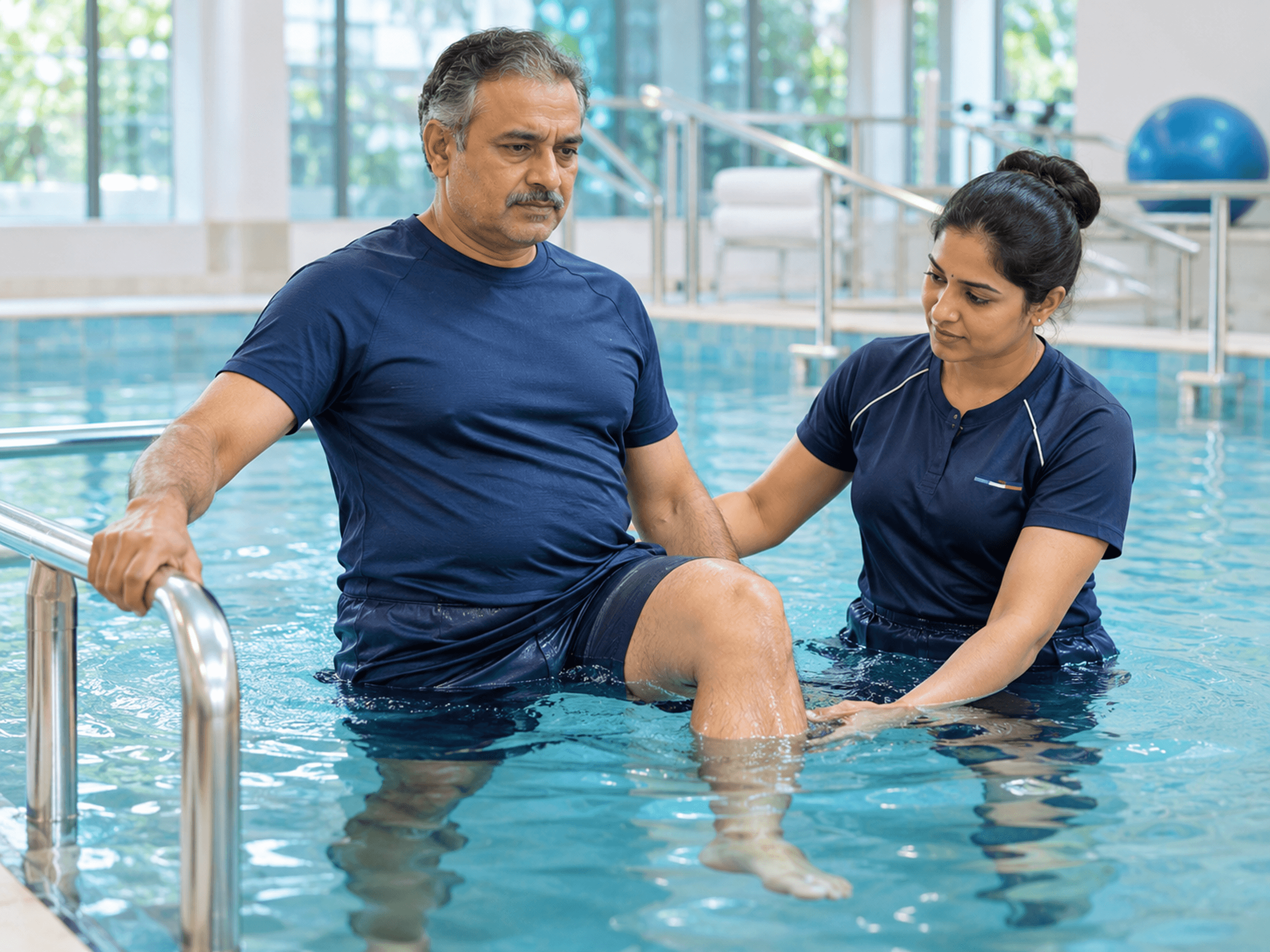
Recovering from an injury, surgery, or even a medical condition can be challenging. Everyday activities such as walking, bending, or stretching can cause discomfort, making physical rehabilitation difficult.
But is there a way to do these movements with less strain on the body? This is where hydrotherapy comes in. By using water's natural properties, hydrotherapy creates an environment where patients can perform guided exercises with less stress.
Understanding hydrotherapy helps us explore how it improves mobility, supports muscle strength, and informs recovery decisions after injury.
What is Hydrotherapy?
Hydrotherapy, often called aquatic therapy, is a form of physical rehabilitation that uses therapeutic exercises in water. A trained physiotherapist supervises these exercises, tailoring them to a patient’s medical condition, physical ability, and recovery goals.
The benefits and effectiveness of this therapy are directly linked to water's unique properties, which influence how the body moves and responds to exercise.
- Water resistance: Moving through water creates natural resistance, which helps you strengthen your muscles without relying on conventional weights.
- Water temperature: Warm water relaxes muscles, eases stiffness, and improves comfort during exercise.
- Buoyancy: As water supports a part of the body’s weight, you tend to apply less pressure on joints, making movements easier.
- Hydrostatic pressure: Water pressure helps manage swelling and supports circulation.
Want to understand how aqua therapy supports rehabilitation? Watch Dr. Leila Hussain explain aquatic therapy and its role in recovery at ISIC Sports Injury Clinic.
Types of Hydrotherapy Used in Rehabilitation
The techniques used in hydrotherapy depend on a patient’s physical condition and rehabilitation needs. So the focus may be on improving mobility, muscle strength, or balance and coordination.
Here are some commonly used methods in aquatic rehabilitation to give you a clearer picture of hydrotherapy.
- Aquatic exercise therapy: This particular approach involves guided exercises such as walking, stretching, and other controlled movements in water. It helps patients improve flexibility, regain mobility, and strengthen muscles while reducing stress on their joints.
- Underwater treadmill therapy: With this method, patients practice walking on a specialized underwater treadmill. The process improves walking patterns, muscle strength, and mobility during certain rehabilitation programs.
- Warm-water hydrotherapy: As the name suggests, this method focuses on therapeutic movements in warm-water pools. Warm water relaxes tight muscles, reduces stiffness, and makes movement more comfortable.
- Specialized aquatic therapy techniques: This category highlights exercises known to develop balance, coordination, and muscle control. Popular techniques like the Halliwick Concept and Bad Ragaz Ring method use structured movements, floating support, and other therapist-assisted exercises.
Key benefits of hydrotherapy in rehabilitation
One major benefit of hydrotherapy is that it lets patients do specific exercises with less weight-bearing stress than on land.
Water supports the body, making exercises easier for people with pain, stiffness or difficulty moving. However, the benefits don’t end there.
Reduces stress on joints
People with knee or hip arthritis may find that hydrotherapy eases pain and helps them move more comfortably. Because water supports part of the body’s weight, it reduces pressure on the joints, allowing individuals to exercise more comfortably.
Builds muscle strength
As mentioned earlier, hydrotherapy can help build muscle strength because water creates resistance as the body moves through it. Physiotherapists introduce exercises without relying on conventional weights, adjusting intensity by changing movement speed and direction.
Improves mobility and flexibility
Difficulty or restricted movement is a common challenge during rehabilitation. However, hydrotherapy provides an environment where patients can practice bending, stretching, and moving their limbs through a comfortable range of motion. With regular exercise, patients can improve flexibility and mobility in everyday activities.
Helps manage pain and muscle stiffness
Warm water promotes muscle relaxation and makes therapeutic movements more comfortable. Individuals with chronic musculoskeletal pain or joint stiffness often benefit from hydrotherapy, as it helps reduce discomfort and encourages regular physical activity.
Supports balance and coordination
Aquatic exercises are also recommended for those recovering from certain neurological or musculoskeletal conditions that affect balance and coordination.
With professional supervision, aquatic exercises let patients practice standing, walking, and controlled movements in a supportive environment.
While these are some of the most important benefits of hydrotherapy, its effectiveness depends on the patient’s medical condition, the prescribed exercises, and consistent treatment. It is largely used alongside other rehabilitation methods and is not seen as a replacement for conventional physiotherapy.
Who can benefit from hydrotherapy?
Hydrotherapy is most commonly used by individuals recovering from a variety of conditions, injuries, and surgical procedures. Treatment suitability depends on people’s physical condition, rehabilitation goals, and medical assessment.
Orthopedic rehabilitation:
Joint replacement surgeries, fractures, or conditions such as osteoarthritis often lead people to methods that improve joint movement and muscle strength, and water-based exercises are one way to achieve that.
Musculoskeletal rehabilitation
Water-based exercises may ease long-term lower back pain and make daily activities easier. A physiotherapist can check which exercises suit you.
Neurological rehabilitation
Exercises in water may help some people recovering from a stroke or living with spinal cord injuries or Parkinson’s disease. A physiotherapist can check whether these exercises suit them and guide their movements.
Geriatric rehabilitation
Adults with joint stiffness, reduced mobility, or balance difficulties can benefit from hydrotherapy or aquatic exercises, as they help maintain physical function and encourage movement.
What happens during a hydrotherapy session?
If you’re considering hydrotherapy for the first time, it is important to understand what the session involves and how the process works. These sessions typically begin with a physiotherapist assessment.
The physiotherapist will review a patient’s medical history, abilities, and rehabilitation requirements. Based on the assessment, they develop a personalized exercise plan. Based on the plan, the session may include activities such as walking, gentle stretching, and balance-based exercises in water.
Physiotherapists will be present to guide participants throughout the session and monitor their comfort and response to the exercises. With each progression, exercises could be modified as they look to improve strength, mobility, and confidence.
The duration and consistency of these sessions will depend on the patient’s condition and treatment plan. Assessments at every stage will determine whether exercises need adjustment.
Who should avoid hydrotherapy?
Although hydrotherapy is popular, it is not suitable for everyone. People with certain medical conditions need extra precautions or an alternative treatment approach.
Therefore, individuals with the following conditions must consult a doctor before proceeding.
- Heart or respiratory conditions: Water-based exercises are considered unsafe for those with uncontrolled heart problems or severe breathing difficulties.
- Uncontrolled medical conditions: Individuals with uncontrolled epilepsy, unstable blood pressure, or even poorly managed diabetes are also required to seek medical clearance before proceeding.
- Fever or acute illness: Do not proceed with hydrotherapy if you are not medically fit or if you have a fever, vomiting, or diarrhea.
- Open wounds or infections: People with unhealed wounds, skin infections, or contagious illnesses face a high risk of complications during pool-based therapy.
Hydrotherapy and rehabilitation at ISIC
Recovery from an injury or other medical conditions requires consultation and a combination of rehabilitation techniques tailored to individual needs.
At ISIC Multispeciality Hospital, we help patients improve mobility, restore physical function, build confidence, and begin their journey toward greater independence.
With specialized services in Physical Medicine and Rehabilitation, Orthopaedics, Spine Care, and Sports Injuries, we take a multidisciplinary approach to meet different rehabilitation needs.
Hydrotherapy complements this approach by bringing together suitable patients for exercises in a supportive aquatic environment, alongside conventional physiotherapy and other treatments.
To find out whether this form of rehabilitation is right for you, call our specialist on 011 42255225 to book a consultation at ISIC Multispeciality Hospital.
Disclaimer: This article provides general health information & does not replace professional medical advice, diagnosis or treatment. Always consult a qualified doctor for medical advice, diagnosis & treatment. Do not ignore symptoms, delay seeking care or change prescribed treatment without consulting your doctor.
Frequently Asked Questions

Latest Blogs
View All BlogsLatest Blogs

General
Remembering Major H. P. S. Ahluwalia: From Everest to the Founding of ISIC
General
Brain Tumours Explained: Types, Symptoms and Advances in Neurosurgical Treatment

Renal Sciences
Prostate Health After 40: A Complete Guide to Screening and Early Intervention
Physical Medicine and Rehabilitation
World Osteoporosis Day: Physiotherapy's Role in Bone Health and Fall Prevention
General
Remembering Major H. P. S. Ahluwalia: From Everest to the Founding of ISIC
General
Brain Tumours Explained: Types, Symptoms and Advances in Neurosurgical Treatment
Renal Sciences
Prostate Health After 40: A Complete Guide to Screening and Early Intervention
Physical Medicine and Rehabilitation
World Osteoporosis Day: Physiotherapy's Role in Bone Health and Fall Prevention


