

Renal Sciences
Prostate Health After 40: A Complete Guide to Screening and Early Intervention

As men age, their bodies undergo several changes that can affect their health and well-being. While some changes are noticeable, others develop gradually and may not cause any discomfort in the beginning. One aspect of men's health that deserves attention as they grow older is prostate health.
The prostate is an important part of the male reproductive system. As men enter their 40s and beyond, they may experience changes in urinary habits, discomfort or other symptoms associated with prostate-related conditions.
However, these changes do not necessarily indicate a serious medical problem. Understanding prostate health, recognising potential warning signs and seeking medical advice when necessary can help with early diagnosis and appropriate treatment.
It is also important to understand that not every man needs prostate cancer screening immediately after turning 40. The decision to begin screening depends on several factors, including age, family history, genetic risks and overall health.
Understanding the Prostate and Its Functions
The prostate is a small gland, approximately the size of a walnut, located below the bladder and in front of the rectum. It surrounds a portion of the urethra, the tube that carries urine from the bladder out of the body.
Its primary function is to produce fluid that forms part of semen. This fluid helps support and protect sperm during reproduction.
As men grow older, the prostate may gradually increase in size. Since the gland surrounds the urethra, enlargement can sometimes place pressure on the urinary passage and affect the normal flow of urine.
However, not every change in prostate size causes symptoms. Similarly, not all urinary problems are associated with the prostate. Understanding the different conditions that can affect this gland can help individuals recognise when medical evaluation may be necessary.
Common Prostate Conditions That Affect Men
Several conditions can affect the prostate, particularly as men age. While some are associated with age-related changes, others develop due to inflammation, infection or abnormal cell growth.
1. Benign Prostatic Hyperplasia (BPH)
Benign Prostatic Hyperplasia, commonly referred to as BPH, is a non-cancerous enlargement of the prostate gland.
As the prostate enlarges, it may press against the urethra and make urination more difficult. BPH becomes increasingly common with age, although the severity of symptoms can vary from person to person.
Common symptoms include:
- Difficulty starting urination
- A weak or interrupted urine stream
- Increased frequency of urination, particularly at night
- A sudden or urgent need to urinate
- A feeling that the bladder has not emptied completely
- Dribbling after urination
It is important to understand that BPH is not prostate cancer and does not directly increase the risk of developing it. However, both conditions can occur in the same individual.
2. Prostatitis
Prostatitis refers to inflammation of the prostate gland. Unlike BPH, which becomes more common with age, prostatitis can affect men across different age groups.
The condition may develop due to bacterial infections or other causes.
Depending on the underlying condition, symptoms may include:
- Pain or discomfort in the pelvic region
- Burning sensation or pain during urination
- Frequent or urgent urination
- Pain during or after ejaculation
- Fever and chills in cases of acute bacterial prostatitis
Not every case of prostatitis is caused by bacteria. Therefore, identifying the underlying cause is important before determining the appropriate treatment.
Individuals experiencing fever, chills and painful urination should seek urgent medical attention, as these symptoms may indicate a significant infection.
3. Prostate Cancer
Prostate cancer develops when abnormal cells within the prostate gland begin to grow uncontrollably.
Some prostate cancers grow slowly and may not cause noticeable symptoms for several years. Others develop more aggressively and require timely medical intervention.
In its early stages, prostate cancer often does not produce symptoms. When symptoms appear, they may resemble those of other prostate conditions, including difficulty urinating, changes in urine flow or increased urinary frequency.
However, experiencing these symptoms does not necessarily indicate prostate cancer.
This is why understanding individual risk factors and discussing the need for screening with a healthcare professional becomes important, particularly as men grow older.
Early Indicators of Prostate Disorders
Changes in urinary habits are among the common signs associated with certain prostate conditions. However, these symptoms do not always indicate a prostate disorder. Similar symptoms can also occur due to urinary tract infections, bladder conditions or other underlying health concerns.
Some important warning signs include:
1. Frequent urination: The need to urinate more often than usual, including waking up several times during the night.
2. Difficulty starting urination: Experiencing a delay or needing to strain before urine begins to flow.
3. Weak or interrupted urine stream: Difficulty maintaining a steady flow of urine while urinating.
4. Incomplete bladder emptying: Feeling that urine remains in the bladder even after urination.
5. Pain or burning sensation: Experiencing discomfort during urination or persistent pain in the lower abdomen or pelvic region.
6. Blood in the urine: Noticing blood in the urine, even when there is no associated pain.
These symptoms should not be ignored, particularly when they persist, worsen or begin affecting everyday activities.
A medical evaluation can help identify the underlying cause and determine whether further investigations are necessary.
When Should You Seek Immediate Medical Attention?
While some urinary symptoms develop gradually, others may require urgent medical care.
Seek immediate medical attention if you experience:
- A sudden inability to urinate
- Severe pain in the lower abdomen, particularly with difficulty passing urine
- Fever and chills accompanied by painful or difficult urination
Sudden inability to urinate, also known as acute urinary retention, is a medical emergency that requires prompt treatment.
Visible blood in the urine also requires prompt medical evaluation, even if there is no pain. However, it does not always indicate an emergency. Heavy bleeding, blood clots, difficulty urinating or associated severe symptoms require more urgent assessment.
Why Prostate Screening Becomes Important With Age
Prostate cancer screening involves medical tests used to identify possible signs of cancer before noticeable symptoms develop.
The primary objective of screening is to detect clinically significant prostate cancers at an earlier stage, when more treatment options may be available.
However, screening is different from diagnosing an existing urinary problem. Individuals experiencing symptoms should consult a doctor regardless of their age or previous screening results.
There is no universal recommendation that every man should begin annual prostate cancer screening immediately after turning 40.
The decision to begin screening depends on several factors, including:
- Age and overall health
- Family history of prostate cancer
- Genetic risk factors
- Previous screening results
- Individual preferences after understanding the benefits and limitations of screening
According to the European Association of Urology (EAU), the age at which early Prostate-Specific Antigen (PSA) testing may be considered varies according to individual risk factors.
For example:
- From age 50: Men without additional recognised risk factors may consider early PSA testing.
- From age 45: Men with a family history of prostate cancer or men of African descent may benefit from earlier testing.
- From age 40: Men carrying inherited BRCA2 gene mutations may require earlier consideration of PSA testing.
These are international recommendations and should not be interpreted as mandatory screening ages for every individual.
For men in India, the decision to undergo prostate cancer screening should be made after discussing personal risk factors, medical history and the possible benefits and limitations of testing with a urologist.
Screening frequency also varies depending on individual risk and previous results. Not everyone requires annual testing.
Understanding the PSA Test
The Prostate-Specific Antigen (PSA) test is a blood test that measures the level of PSA, a protein produced by cells in the prostate gland.
PSA testing is commonly used during prostate cancer screening and may also form part of the evaluation of certain prostate-related conditions.
However, an elevated PSA level does not automatically indicate prostate cancer.
PSA levels may increase due to several reasons, including:
- Benign Prostatic Hyperplasia
- Inflammation or infection of the prostate
- Prostate cancer
- Recent procedures involving the prostate
- Certain temporary factors, such as ejaculation or activities that place pressure on the prostate
Some medications can also influence PSA results. For example, medicines used to treat prostate enlargement, such as finasteride and dutasteride, can lower PSA levels.
Doctors interpret PSA results alongside the patient's age, medical history, previous PSA measurements and other clinical findings.
It is also important to understand that a normal or low PSA result does not completely rule out prostate cancer.
If PSA levels are elevated, a doctor may recommend repeating the test before proceeding with additional investigations.
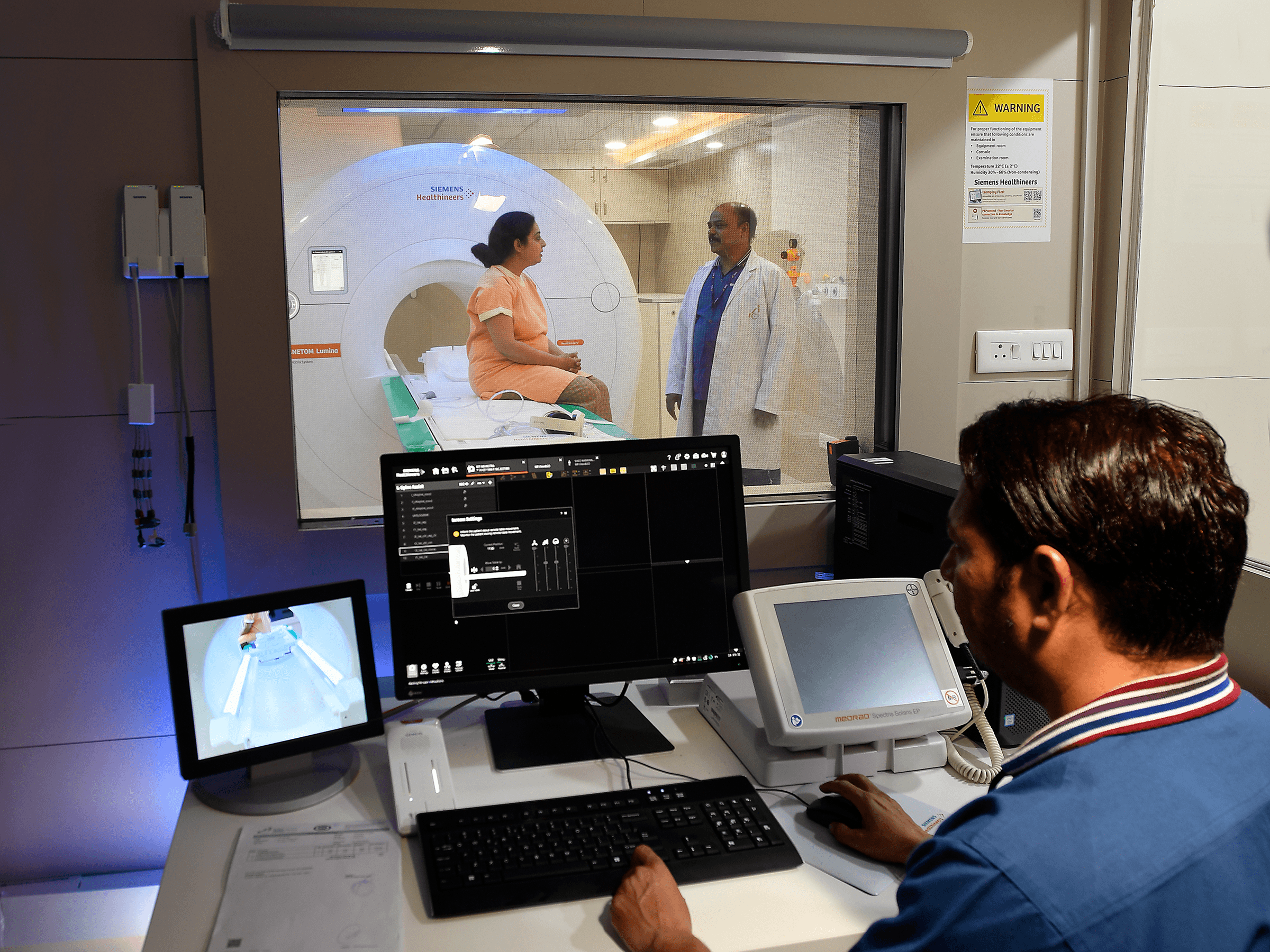
Depending on the findings, further evaluation may include imaging examinations, such as prostate MRI, or a prostate biopsy.
A prostate biopsy involves collecting small samples of tissue from the prostate for laboratory examination. It may be required to confirm a diagnosis of prostate cancer.
Benefits and Limitations of Prostate Cancer Screening
Prostate cancer screening can support early detection, particularly among individuals who may be at increased risk of developing the condition.
Identifying clinically significant prostate cancer at an earlier stage may provide more treatment options and reduce the likelihood of the disease progressing before diagnosis.
However, screening also has certain limitations.
For example, an elevated PSA result may occur even when an individual does not have prostate cancer. Such results can lead to additional investigations, anxiety and medical procedures that may ultimately prove unnecessary.
Screening may also identify slow-growing cancers that would never have caused symptoms or affected a person's lifespan. This is known as overdiagnosis.
Treating these cancers unnecessarily can expose patients to potential side effects affecting urinary, bowel or sexual function.
Therefore, the decision to undergo screening should involve a discussion with a healthcare professional about the expected benefits, possible risks and individual health circumstances.
Screening should follow a risk-based approach rather than a fixed schedule for every individual.
How Are Prostate Conditions Diagnosed?
When an individual experiences urinary difficulties or other symptoms associated with the prostate, a urologist may recommend certain examinations to identify the underlying cause.
The evaluation generally begins with a review of the patient's symptoms, medical history, family history and current medications.
Depending on the findings, doctors may recommend the following examinations.
1. Physical Examination
A physical examination helps doctors identify possible abnormalities and determine whether additional investigations are required.
In certain cases, a digital rectal examination (DRE) may be performed.
During this examination, the doctor gently examines the prostate through the rectum using a gloved and lubricated finger.
This allows the doctor to assess the prostate's approximate size, texture and any noticeable abnormalities.
A digital rectal examination may help identify changes that raise suspicion of prostate cancer. However, it cannot independently confirm or rule out the disease.
2. Urine Tests
Urine tests may be recommended to identify infections, blood or other abnormalities affecting the urinary tract.
These investigations can help doctors determine whether urinary symptoms are associated with an infection or another underlying condition.
3. PSA Blood Test
A PSA test may be recommended depending on the patient's symptoms, age, clinical findings and individual risk factors.
Doctors interpret the results alongside other clinical information rather than using PSA levels as the sole basis for diagnosis.
4. Ultrasound and Other Imaging Tests
Ultrasound examinations may help doctors assess the prostate, bladder and surrounding urinary structures.
Depending on the symptoms, additional investigations such as urine flow studies or tests to measure urine remaining in the bladder after urination may also be recommended.
If prostate cancer is suspected, a doctor may recommend a prostate MRI and, where appropriate, a biopsy.
Not every patient requires all these investigations. The selection of tests depends on the symptoms, clinical findings and suspected underlying condition.
Lifestyle Changes That May Support Prostate Health
Although lifestyle changes cannot guarantee the prevention of prostate-related conditions, certain daily habits may help manage urinary symptoms and support overall health.
1. Maintain Adequate Hydration
Drinking sufficient water helps support normal urinary function and overall health.
However, individuals experiencing frequent nighttime urination may benefit from reducing fluid intake during the hours immediately before bedtime.
It is important not to restrict water excessively, as dehydration can lead to other health concerns.
Individuals with heart or kidney conditions should follow their doctor's recommendations regarding fluid intake.
2. Limit Caffeine and Alcohol
Caffeinated beverages and alcohol may increase urinary frequency or worsen certain urinary symptoms.
For individuals experiencing frequent urination, particularly at night, limiting these beverages may help reduce discomfort.
The effect varies from person to person, so dietary adjustments should be based on individual symptoms.
3. Stay Physically Active
Regular physical activity supports overall health and may help improve certain urinary symptoms.
Activities such as walking, swimming and other suitable forms of exercise can be incorporated into daily routines based on individual fitness levels.
However, exercise alone cannot prevent or treat every prostate-related condition.
4. Prevent Constipation
Constipation can sometimes increase urinary discomfort and make bladder emptying more difficult.
Maintaining a balanced diet containing adequate fibre, drinking sufficient fluids and staying physically active may help support regular bowel movements.
5. Review Medications
Certain medications, including some antihistamines, cold remedies and diuretics, may affect urinary function.
If new or worsening urinary symptoms develop, individuals should inform their doctor about all medications they are taking, including over-the-counter medicines.
Prescribed medications should not be stopped or changed without medical advice.
Treatment Options for Common Prostate Conditions
Treatment for prostate-related conditions depends on the underlying diagnosis, severity of symptoms, age, overall health and individual medical requirements.
Not every prostate condition requires surgery. In many cases, symptoms can be managed through monitoring, lifestyle modifications, medication or other appropriate treatments.
Early intervention may also involve regular observation rather than immediate medical or surgical treatment.
1. Monitoring and Lifestyle Management
Men experiencing mild symptoms associated with BPH may initially be advised to monitor their condition while making suitable lifestyle changes.
This approach is sometimes referred to as watchful waiting.
Regular follow-up appointments help doctors assess whether symptoms are changing and whether additional treatment is required.
Monitoring may be appropriate when symptoms are manageable and there are no significant complications.
2. Medications
Medications are commonly prescribed to manage symptoms associated with prostate enlargement.
Certain medicines help relax the muscles around the prostate and bladder outlet, allowing urine to flow more easily.
Other medications may help reduce prostate enlargement gradually over time.
The choice of medication depends on the patient's symptoms, medical history, prostate size and other clinical findings.
Some medications may cause side effects, including changes in sexual function. Patients should discuss these possibilities with their urologist before beginning treatment.
3. Surgical and Minimally Invasive Treatment Approaches
Surgery may be considered when prostate enlargement causes significant urinary difficulties, medications do not provide sufficient relief, or complications develop.
Depending on the patient's condition, treatment options may include:
- Transurethral Resection of the Prostate (TURP): A procedure that removes excess prostate tissue through the urethra to relieve urinary obstruction.
- Laser-based prostate procedures: Techniques that use laser energy to remove or reduce prostate tissue responsible for obstructing urine flow.
- Other minimally invasive procedures: Selected treatment approaches that may be suitable depending on prostate size, symptom severity and overall medical condition.
Each treatment has specific benefits, limitations and potential risks.
A urologist can recommend an appropriate procedure after evaluating the patient's condition and discussing the available options.
4. Treatment for Prostatitis
Treatment for prostatitis depends on its underlying cause.
Bacterial prostatitis generally requires appropriate antibiotic treatment. Other forms of prostatitis may require medication, pain management or additional supportive therapies.
For example, chronic pelvic pain associated with prostatitis may require a combination of treatments based on the symptoms and contributing factors.
Since not every case of prostatitis is caused by bacteria, antibiotics should not be taken without medical advice.
5. Treatment for Prostate Cancer
When prostate cancer is diagnosed, treatment decisions depend on several factors, including the cancer's grade, stage, risk of progression and the patient's overall health.
Depending on the diagnosis, treatment options may include:
- Active surveillance
- Surgery
- Radiotherapy
- Hormonal therapy
- Other systemic treatments when clinically appropriate
Active surveillance may be recommended for selected individuals with low-risk prostate cancer.
Rather than beginning treatment immediately, doctors closely monitor the condition through scheduled PSA tests, clinical assessments and, when required, imaging or repeat biopsies.
Treatment may be recommended if findings suggest that the cancer is progressing or becoming more clinically significant.
This approach aims to avoid or delay unnecessary treatment while ensuring that changes requiring medical intervention are identified.
For other patients, surgery, radiotherapy or additional treatments may be more appropriate.
A urologist and the relevant cancer care specialists can help determine the most suitable treatment plan after a complete medical evaluation.
Prostate Health and Sexual Function
Prostate-related conditions and their treatments can sometimes affect sexual health.
Certain medications and surgical procedures may influence ejaculation, erections or fertility. The nature and extent of these effects depend on the condition, treatment approach and individual circumstances.
Patients considering treatment should discuss any concerns about sexual function or fertility with their urologist.
Similarly, individuals experiencing changes in sexual health during treatment should inform their doctor rather than discontinuing medication without medical advice.
Disclaimer: This article provides general health information & does not replace professional medical advice, diagnosis or treatment. Always consult a qualified doctor for medical advice, diagnosis & treatment. Do not ignore symptoms, delay seeking care or change prescribed treatment without consulting your doctor.
Latest Blogs
View All BlogsLatest Blogs

General
Remembering Major H. P. S. Ahluwalia: From Everest to the Founding of ISIC
General
Brain Tumours Explained: Types, Symptoms and Advances in Neurosurgical Treatment

Physical Medicine and Rehabilitation
Hydrotherapy for Rehabilitation: Types, Benefits, and How It Supports Recovery

Physical Medicine and Rehabilitation
World Osteoporosis Day: Physiotherapy's Role in Bone Health and Fall Prevention
General
Remembering Major H. P. S. Ahluwalia: From Everest to the Founding of ISIC
General
Brain Tumours Explained: Types, Symptoms and Advances in Neurosurgical Treatment
Physical Medicine and Rehabilitation
Hydrotherapy for Rehabilitation: Types, Benefits, and How It Supports Recovery
Physical Medicine and Rehabilitation
World Osteoporosis Day: Physiotherapy's Role in Bone Health and Fall Prevention


