

Orthopaedics
World Arthritis Day: Early Signs, Diagnosis & Modern Treatment Options for Joint Pain
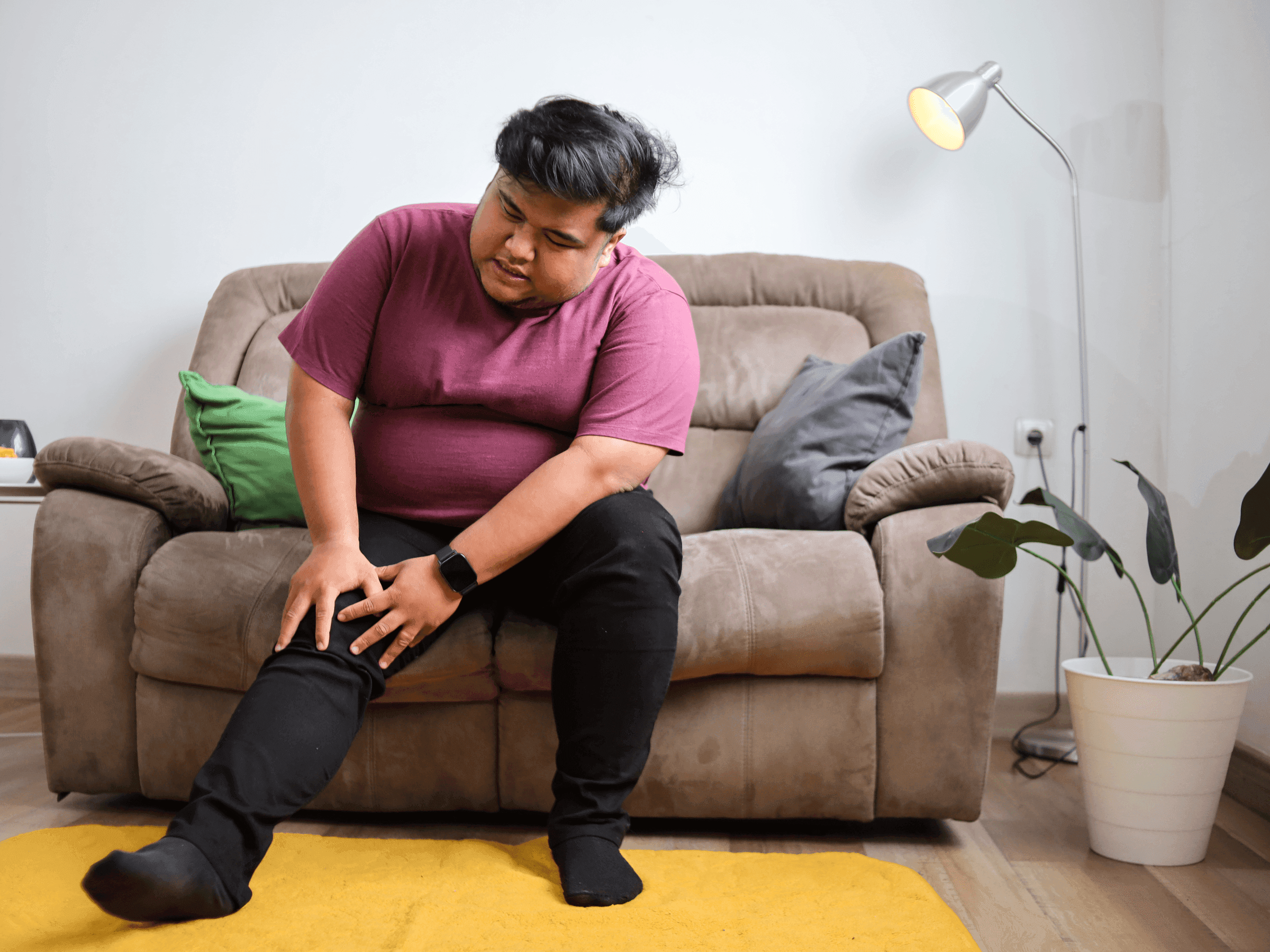
The stairs haven't become steeper, but lately you're taking them one at a time. Or perhaps opening the morning milk packet has become a small wrestling match with your fingers.
Joint pain often announces itself through ordinary tasks. You may manage by changing how you move, avoiding the floor or asking someone else to carry the shopping. Those adjustments are worth mentioning, even if you can still get through the day.
World Arthritis Day, observed on 12 October, is a reminder to understand persistent joint symptoms. Arthritis isn't one disease, & the right treatment depends on the cause. Some conditions need help with strength & movement; others need early medicines to control inflammation & protect the joints.
What Does Arthritis Actually Mean?
Arthritis is a group of conditions affecting the joints, often causing pain, stiffness or swelling. A joint is where bones meet, supported by cartilage, surrounding tissues & muscles.
Not every ache is arthritis. Problems in tendons, muscles or nearby structures can also feel like joint pain. An old injury, a sudden infection or pain from another area may need a different approach.
That's why "Which painkiller should I take?" is usually not the first question to settle. First, work out what is hurting, why it is hurting & whether any signs need prompt treatment.
Osteoarthritis
Osteoarthritis involves changes across the joint, including its cushioning cartilage & surrounding structures. Pain often increases with activity. Stiffness after resting may ease once you get moving.
Knees, hips & hands are common sites. It becomes more common with age, but symptoms shouldn't be brushed off as the price of getting older. Movement, strength, weight (where relevant), previous injury & other factors can affect how the joint works.
The amount of change on an X-ray doesn't tell the whole story of someone's pain or ability to manage daily tasks.
Rheumatoid Arthritis
In rheumatoid arthritis, the immune system mistakenly attacks the joint lining, causing inflammation. Joints may become swollen, warm & stiff, often affecting the hands, wrists or feet.
Stiffness can be especially troublesome after waking or resting. Tiredness may come with the joint symptoms. Both sides of the body can be affected, although the pattern varies.
This isn't simply osteoarthritis arriving early. Medicines that control the disease matter because ongoing inflammation can damage joints. Early assessment matters even when a blood test hasn't confirmed the diagnosis.
Gout & Other Causes
Gout occurs when urate crystals collect in a joint & trigger inflammation. A flare can produce sudden, intense pain, swelling & heat, often in the big toe but also elsewhere.
A high uric acid result alone doesn't explain every painful joint. Other inflammatory conditions, including arthritis linked to psoriasis, can also cause symptoms. A hot, swollen joint may be infected, which needs urgent assessment, not an assumption that it's gout.
Early Signs Worth Paying Attention To
Look for a pattern rather than testing yourself against a checklist once. Persistent swelling, repeated pain, difficulty bending a joint or a gradual loss of function are all worth discussing with a doctor.
Morning stiffness is useful information. Does it settle after a few steps, or are you still struggling to make a fist well into breakfast? Tell the doctor roughly how long it lasts; you don't need to time every minute.
Also note whether one or several joints are involved, whether symptoms come in attacks & whether you feel unusually tired or unwell. Mention skin psoriasis, recent illness, injuries & relevant family history.
Don't wait for a finger to become visibly crooked before seeking help. Persistent joint swelling, especially in the small joints of the hands or feet or in several joints, needs timely assessment for inflammatory arthritis.
Which Specialist Should You Approach?
An orthopaedic assessment can help with joint function, injury-related problems, osteoarthritis & whether surgery might eventually be appropriate.
A rheumatology consultation is particularly relevant when inflammation is suspected, such as persistent swelling, several affected joints, rheumatoid arthritis or recurrent gout. The two services may work together.
If the distinction is unclear, begin with a physician who can examine you & guide referral. You don't need to pick a diagnosis before booking.
How Arthritis Is Diagnosed
The consultation begins with your story & an examination. Which joint hurts? When did it start? What brings it on? Does it disturb sleep? Can you get up from a chair, dress, walk or grip comfortably?
The doctor looks for swelling, warmth, tenderness, limited movement & changes in how you walk or use the joint. A photograph of swelling from an earlier flare can help, but it doesn't replace an examination.
Do You Always Need an X-ray or MRI?
No. Typical osteoarthritis can often be diagnosed from symptoms & examination. NICE guidance supports a clinical diagnosis in people aged 45 or older with activity-related pain & no morning stiffness, or stiffness lasting no longer than 30 minutes.
That description is guidance for doctors, not a home diagnostic test. Unusual symptoms, injury or concern about another condition can justify imaging. An MRI isn't automatically more useful just because its pictures are more detailed.
Ask what question the scan is meant to answer & whether the result would change treatment. Repeated imaging isn't usually needed just to track routine osteoarthritis symptoms.
What Can Blood Tests Tell You?
Blood tests may look for inflammation, certain antibodies or other clues when rheumatoid arthritis or another inflammatory condition is suspected. Kidney & liver tests may also help plan medicines safely.
No single blood test diagnoses every form of arthritis. Normal inflammation results or negative rheumatoid tests don't rule out rheumatoid arthritis. Testing shouldn't delay referral when the examination suggests persistent inflammation.
For suspected gout, the timing of uric acid testing matters because the level can be lower during a flare. The doctor may repeat the test later if the result doesn't fit the symptoms.
When Joint Fluid Needs Testing
Sometimes a doctor removes a small sample of fluid from a swollen joint with a needle. Testing can look for crystals or infection.
This is especially important when the cause of a suddenly hot, painful joint is uncertain. Treatment differs a lot between an infection & an inflammatory flare, so the distinction matters.
Treatment Begins With the Type of Arthritis
Modern treatment isn't one new injection or operation. It means choosing an evidence-based plan for your diagnosis, checking whether it helps & adjusting it to your health & priorities.
For one person, success may mean walking to the shops. For another, it may mean using a keyboard comfortably or returning to a physically demanding job. Tell the team what you want to be able to do.
Exercise & Rehabilitation for Osteoarthritis
The right kind of exercise is a core treatment for osteoarthritis. Strengthening muscles around the joint & improving general fitness can reduce pain & improve function over time.
Some discomfort is common when you begin. A physiotherapist can help you tell manageable exercise discomfort from symptoms that mean the plan needs changing. A suddenly swollen, hot joint or severe new pain should be checked, not pushed through.
Start with a programme matched to your current ability. It may include strength work, walking, cycling or other suitable activity. There's no need to copy an online knee routine just because it helped a neighbour.
Physical medicine & rehabilitation can help connect treatment with everyday movement & independence. Ask how to continue the programme at home, including on busier or more painful days.
Weight, Footwear & Practical Support
For people with osteoarthritis who live with excess weight, supported weight loss can improve pain & function. The conversation should be practical & respectful, with achievable goals, not blame.
A walking aid may help some people move more comfortably. Braces & supports help in some situations, but not everyone needs them. Ask a professional to check fit & technique.
At home, discuss tasks that repeatedly cause difficulty. A different chair height, pacing household work or a suitable grip aid may help you manage while treatment takes effect. These are adaptations to consider case by case, not a substitute for getting worsening symptoms checked.
Pain Relief & Anti-inflammatory Medicines
For knee osteoarthritis, an anti-inflammatory gel may be considered before tablets. If tablets are needed, the prescriber considers stomach, kidney & heart risks, other medicines & your overall health.
The safest plan is personal. A tablet that suited someone else may not suit you if you have kidney disease, have had a stomach ulcer or take blood-thinning medicines. Bring details of medicines you buy without a prescription too.
Pain relief can support movement, but it doesn't explain the diagnosis or replace disease-controlling treatment for rheumatoid arthritis. Don't keep raising the dose when the original problem hasn't been reviewed.
Medicines That Control Inflammatory Arthritis
Rheumatoid arthritis often needs medicines that reduce disease activity & help prevent damage (disease-modifying antirheumatic drugs, or DMARDs). Methotrexate is one common option, but the choice depends on the person.
The team monitors symptoms & may arrange blood tests to assess safety & response. Some people need biological medicines or other targeted treatments if initial options are insufficient.
These aren't just another kind of painkiller. Discuss infection risks, vaccination, pregnancy plans & monitoring before & during treatment. Steroids may be used for some short-term purposes, but their risks need review too.
The aim may be remission, meaning little or no active inflammation, or low disease activity. Feeling better doesn't mean you should stop treatment yourself; changes belong in the follow-up plan.
Treating Gout Beyond the Painful Flare
Treatment during a gout attack controls pain & inflammation. Longer-term treatment, when indicated, lowers urate to reduce future attacks & crystal build-up.
Food & alcohol discussions may form part of care, but gout isn't explained by blaming one festive meal. Kidney function, medicines & other factors also matter.
Ask whether you need a long-term urate-lowering plan & how it will be monitored. A medicine prescribed for this has a different job from treatment taken during an attack.
What About Injections & Newer Procedures?
A steroid injection into an osteoarthritic joint can provide short-term relief in some cases, including when pain is getting in the way of rehabilitation. It doesn't rebuild cartilage or remove the need for a longer-term plan.
Evidence & recommendations differ between injection products. Ask exactly what is being offered, the expected duration of benefit, the risks & the quality of evidence for your condition.
Be cautious about claims that a procedure will regrow the joint or guarantee you avoid surgery. A treatment being newer or more expensive doesn't make it the right choice. Talk through the recognised options & uncertainties before deciding.
When Does Joint Replacement Become an Option?
Hip, knee or shoulder replacement may be considered when symptoms significantly affect quality of life & suitable non-surgical care hasn't helped enough or isn't an option.
The decision should include pain, function, sleep, medical fitness, personal priorities & likely benefits & risks. It shouldn't rest on an X-ray label alone.
Ask what recovery involves, what rehabilitation you'll need & what support to arrange at home. Discuss complications & the chance of lasting symptoms, as well as the expected improvement.
Surgical tools, including robotic assistance in selected procedures, are part of planning & execution. They don't remove the risks of surgery or guarantee a particular outcome. The question is how the proposed approach fits your situation.
When Joint Pain Needs Urgent Attention
Seek urgent medical assessment for a suddenly hot, swollen, very painful joint, especially if movement or bearing weight is difficult. Fever or feeling generally unwell increases concern, but infection can occur without fever.
Pain & swelling after significant injury also need prompt assessment. If you take medicines that suppress the immune system, tell the doctor immediately if infection is suspected.
Don't wait for a routine arthritis appointment when symptoms change rapidly. An existing diagnosis of gout or osteoarthritis doesn't rule out a new problem.
Make the Next Consultation More Useful
Bring previous reports & your medicine list, but begin with what has changed. "I can't manage the stairs to my bedroom" says more about the impact than "the pain is bad."
Write down which joints are involved, how long morning stiffness lasts & whether swelling comes & goes. Note what you've tried & whether it helped or caused side effects.
Before you leave, ask which diagnosis is most likely, what to do at home, when progress will be reviewed & which symptoms should bring you back sooner. A clear follow-up plan matters as much as the first prescription.
Review Progress in Terms of Your Own Routine
Choose a few activities that matter to you & discuss them at follow-up. Can you get out of a chair more easily? Is dressing less difficult? Are you waking because of pain as often? These details help the team see whether the plan is helping.
Ask for clarification whenever needed. Tell them about difficulties following treatment too: if exercises are unclear, medicine causes discomfort or travel makes appointments hard, say so. A plan that looks simple on paper may need adjusting to work in your home.
If you want support, bring a family member who understands your routine, but keep your own priorities central. The aim isn't to compare your progress with someone else's knee or hand, but to review your symptoms, function & treatment together.
Do Not Let Adaptation Hide the Problem
You may have become very good at working around a painful joint. That doesn't mean you have to keep shrinking your routine without understanding why.
Use World Arthritis Day to notice what has changed & seek the right assessment. A useful treatment plan should help you understand the diagnosis, move as safely as possible & make informed choices about what comes next.
Questions About Living With Arthritis
Should I stop exercising when my joints hurt?
Not automatically. Osteoarthritis usually benefits from suitable exercise. The type & amount should suit your condition. Sudden severe pain, marked swelling or a hot joint needs assessment before continuing.
Can a normal blood test rule out rheumatoid arthritis?
No. The diagnosis depends on symptoms, examination & relevant investigations together. Persistent joint swelling still needs assessment.
Does arthritis always lead to surgery?
No. Many people are managed without surgery. The need for an operation depends on the condition, its effect on life & the response to other treatment.
Can young people develop arthritis?
Yes. Arthritis isn't confined to older adults. Persistent pain, swelling or stiffness in a younger person deserves evaluation, not dismissal because of age.
Disclaimer: This article provides general health information & does not replace professional medical advice, diagnosis or treatment. Always consult a qualified doctor for medical advice, diagnosis & treatment. Do not ignore symptoms, delay seeking care or change prescribed treatment without consulting your doctor.
Latest Blogs
View All BlogsLatest Blogs

General
Keeping Your Brain Healthy as You Age: Everyday Habits That Support Cognitive Well-Being

Cardiac Sciences
World Stroke Day: Recognising the Warning Signs and the Golden Hour for Treatment
General
Diwali Burn First Aid: What to Do, What to Keep at Home and When to Go to Hospital

General
World Mental Health Day: Breaking the Stigma Around Seeking Psychiatric & Neurological Care
General
Keeping Your Brain Healthy as You Age: Everyday Habits That Support Cognitive Well-Being
Cardiac Sciences
World Stroke Day: Recognising the Warning Signs and the Golden Hour for Treatment
General
Diwali Burn First Aid: What to Do, What to Keep at Home and When to Go to Hospital
General
World Mental Health Day: Breaking the Stigma Around Seeking Psychiatric & Neurological Care


