

Plastic Surgery
Diwali Burn First Aid: What to Do, What to Keep at Home and When to Go to Hospital
Diwali is a time for celebrations, family gatherings and festivities. It’s an occasion that brings people together, with homes lit up, celebrations underway and traditions shared with loved ones.
However, some of these celebrations involve diyas, candles and firecrackers that can sometimes lead to accidental burns.
In these situations, it is important to know the basics of burn first aid, which can limit skin damage and reduce the risk of complications. So here are some frequently asked questions about managing burns during Diwali.
1. What should you do immediately after a burn?
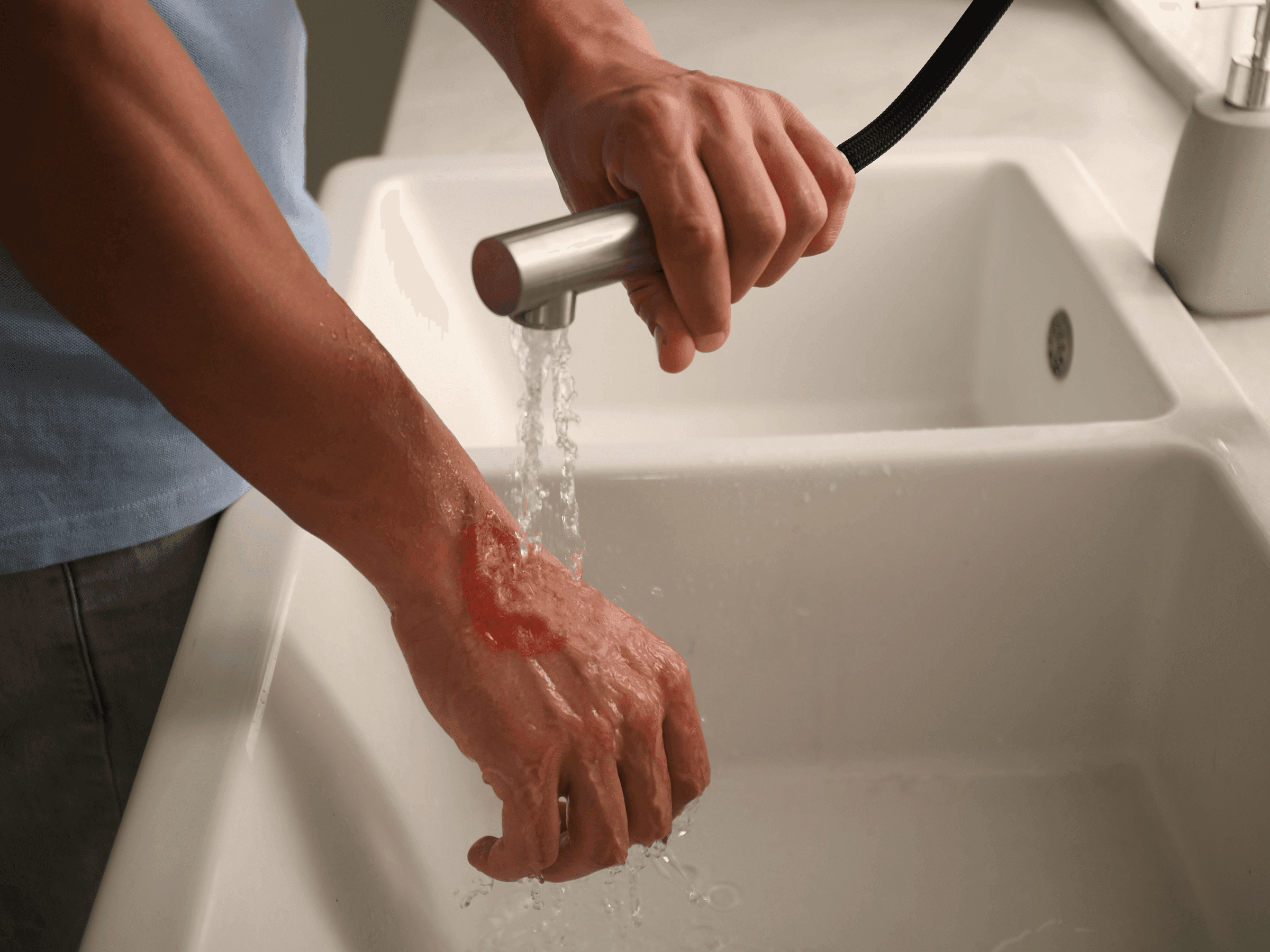
The first step in burn first aid is to move away from the heat source and cool the affected area.
- Hold the burn under cold running water for over 20 minutes.
- Remove any jewellery or tight clothing near the affected area before swelling begins, unless something is stuck to the skin.
- After cooling, cover the burn loosely with a sterile, non-stick dressing or clean cling film.
- Avoid applying ice, toothpaste, butter, or oils, as these could worsen the injury.
In case the burn is severe, seek emergency medical assistance.
2. How should you treat a firecracker burn at home?
Firecracker burn treatment depends on the severity of the injury. If the injury is minor, you can manage it with appropriate first aid; after cooling the affected area, cover it with a clean, non-stick dressing.
Avoid bursting blisters or removing skin from the affected area, as this may increase the risk of infection. If the burn involves blisters, deep tissue damage, or sensitive areas, a healthcare professional should assess it.
Burn care follow-up
For a non-emergency follow-up after a burn injury, book a consultation at ISIC Multispeciality Hospital.
Speciality: Plastic Surgery
For severe burns, seek immediate care at the nearest emergency department.
3. What should a burn first aid kit contain?
A first aid kit should include a few essentials to respond promptly to minor injuries.
These include:
- Sterile, non-stick dressings
- Sterile gauze and medical tape
- Clean bandages
- Disposable medical gloves
- Scissors
- A clean cloth for temporary wound coverage
Clean running water is also a vital measure for cooling a burn.
4. When should you go to the hospital for a burn?
You must go to the hospital for a burn when:
- The burn appears deep, white, charred, or leathery.
- It affects the face, hands, feet, genitals, or major joints.
- The burn is larger than the injured person’s palm.
- There are breathing difficulties or signs of smoke inhalation.
- The injury involves electricity, chemicals or a firecracker explosion.
Burns in young children and older adults also require particular caution.
5. What are the signs of infection after a burn?
A burn can become infected during the healing process; warning signs include increasing redness, swelling, pain, pus, an unpleasant smell, or fever.
If these symptoms develop, seek medical evaluation.
6. How can ISIC Healthcare help with burn injuries?
Burn injuries require different levels of medical attention based on their severity.
At ISIC Multispeciality Hospital, individuals can seek medical evaluation to understand the extent of an injury, and appropriate treatment steps will follow. If the injury is more severe than expected, specialised burn care or referral will be needed.
For more information, head to isichealthcare.org
Disclaimer: This article provides general health information & does not replace professional medical advice, diagnosis or treatment. Always consult a qualified doctor for medical advice, diagnosis & treatment. Do not ignore symptoms, delay seeking care or change prescribed treatment without consulting your doctor.
Latest Blogs
View All BlogsLatest Blogs
Spine Services
Why Choose ISIC for Complex Spine & Spinal Cord Injuries Treatment
Cardiac Sciences
The Heart-Kidney Connection: Why Your Kidneys Matter for Your Heart (and Vice Versa)
Cardiac Sciences
Is Your Heart the Same Age as You?
Spine Services
Conservative Treatment vs. Spine Surgery: When to Make the Call
Spine Services
Why Choose ISIC for Complex Spine & Spinal Cord Injuries Treatment
Cardiac Sciences
The Heart-Kidney Connection: Why Your Kidneys Matter for Your Heart (and Vice Versa)
Cardiac Sciences
Is Your Heart the Same Age as You?
Spine Services
Conservative Treatment vs. Spine Surgery: When to Make the Call


