

Cardiac Sciences
Is Your Heart the Same Age as You?
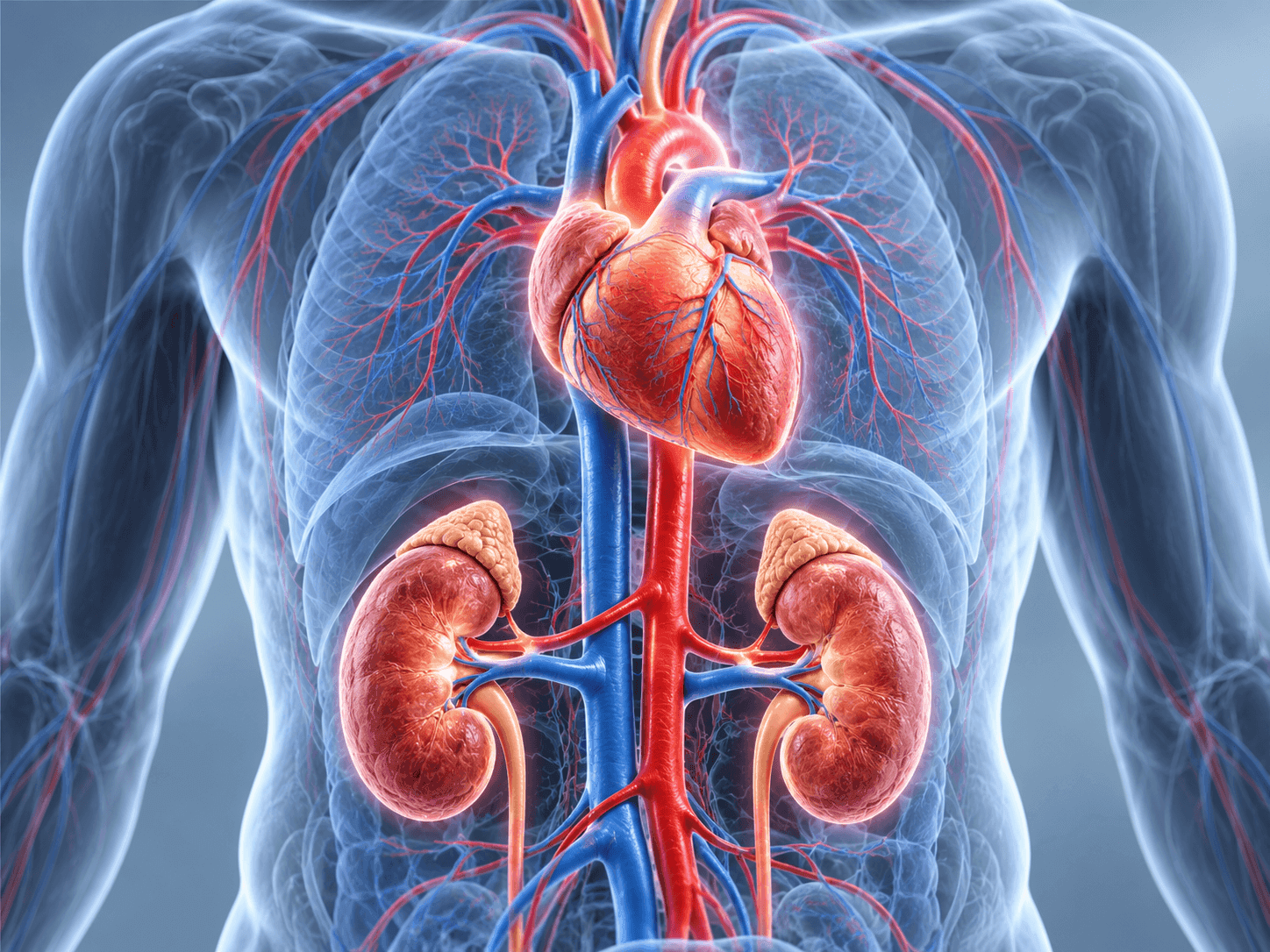
Maybe. Maybe not.
I ask patients their age at every first visit, and I have stopped assuming the number on their file matches the number their heart is actually living at. I have seen forty-five-year-olds with the arteries of someone a decade younger, and I have seen forty-five-year-olds whose heart is, functionally, already fifty-five. The gap between the two is not destiny; it is mostly a record of how the last twenty years were spent.
And here is the part that surprises most people: that gap can be closed. Not always fully, not overnight, and not for every patient, but for most people catching this early, yes, heart age can be reversed. You heard that right. Let us look at the evidence, then talk about what that actually looks like depending on where you are in life, because the honest answer isn't the same for a thirty-five-year-old and a ninety-year-old.
How Do You Actually Measure a Heart's Age?
There are three tools we lean on in the clinic:
1. The AHA PREVENT Risk Calculator.
Built by the American Heart Association (AHA) from data on 6.5 million adults, it estimates 10 and 30-year risk of heart attack, stroke, and heart failure using cholesterol, blood pressure, blood sugar, BMI (body mass index, a measure of weight for your height), smoking history, and a factor most people do not expect: kidney function (eGFR, a blood test score of how well your kidneys filter).
In a trial of over 14,000 adults with no known heart disease, the average woman tested out at a heart age of 55.4 against a real age of 51.3; the average man came in at 56.7 against a real age of 49.7. That is not a rare outlier finding; that is the average. Updated guidelines now recommend this kind of screening start at age 30.
2. AI read ECGs.
A study of over 425,000 ECGs (heart tracings that record the heart's electrical activity) found that when an AI estimated heart age ran 7 years ahead of actual age, risk of death from any cause rose 62 percent, and risk of a major heart-related event nearly doubled. When it ran 7 years younger, risk of death dropped 14 percent. Seven years either direction is a bigger swing in outcome than almost anything else we screen for at a routine checkup.
3. Arterial stiffness, measured through Pulse Wave Velocity.
Pulse Wave Velocity is a test that measures how quickly your pulse wave travels through your arteries. This is the physical, mechanical story: healthy arteries flex with every heartbeat; aged ones do not, so the heart has to push harder against its own returning pressure wave. Left unmanaged, the age of your blood vessels can run 10 to 20 years ahead of the calendar.
Why Hearts Age Faster Than the Calendar
The well-documented drivers are the ones you would expect: uncontrolled blood pressure and cholesterol, high blood sugar, which forms links between collagen fibres (a structural protein) in blood vessel walls in a process sometimes called caramelization, stiffening arteries whatever your blood pressure is doing, and inactivity. The CDC's own number (the US Centers for Disease Control and Prevention) is blunt: 3 out of 4 heart attacks and strokes trace back to risk factors you can change or manage, namely blood pressure, cholesterol, smoking, obesity, inactivity, and diabetes.
Three things that come up often in clinic and do not always make it into the big trials: chronic work stress, everyday exposure to air pollution, and certain long-term medications, steroids being a common one. All three track closely with the same measurable health numbers driving the figures above, even though the studies here were not designed to isolate them individually. If any of those three describe your life right now, it is worth flagging to your doctor specifically. Not because there is a study number attached to it here, but because it is a pattern worth asking about rather than assuming it is irrelevant.
One more thread worth pulling: kidney function already sits inside the PREVENT calculator above, and that is not incidental. The kidney-heart connection is strong enough that it has its own article, so give that one a read next. For now, just know your eGFR number is quietly doing double duty as a heart age signal too.
Can You Actually Reverse It? What the Evidence Shows
Yes, but there is a catch worth understanding properly. Severe plaque build-up hardened by calcium is hard to dissolve. But functional stiffness (arteries that have gone stiff without being hardened by calcium), the early-stage kind most people reading this are dealing with, responds fast, and to more than one lever pulled at once:
• The bundle effect. Managing blood pressure, blood sugar, cholesterol and other blood fats, and weight together outperforms fixing any single one on its own.
• Exercise and blood flow (shear stress). Interval training (short bursts of harder effort between easier stretches) creates changes in blood flow that trigger arteries to release nitric oxide, the body's own vessel relaxant. A landmark study in the journal Circulation, funded by the US National Institutes of Health (NIH), found sustained aerobic exercise (cardio that keeps your heart rate up for a good while) can reverse the damage that years of an inactive lifestyle do to the heart, provided it starts before age 65. In contrast, the heart muscle can still adapt.
• Timeline. Initial improvements in vessel flexibility show up in 8 to 12 weeks; meaningful change in the structure of the vessels takes 3 to 6 months.
• The Ornish model. Intensive lifestyle change, meaning a plant-based diet under 10 percent fat, exercise, stress management, and group support, shrank plaque in the arteries supplying the heart at both 1-year and 5-year follow-up in controlled trials (studies that compare people following the program with people who are not), and cut angina (chest pain caused by reduced blood flow to the heart) by over 90 percent within three weeks.
What This Actually Means, By Age
This is where it helps to be honest instead of generic. The advice above is real, but 150 minutes a week of aerobic and interval training means something completely different depending on who is reading it.
• 30s to 40s: Baseline decade (the one that sets your starting point). Get screened now, even with zero symptoms; the numbers that feed the PREVENT calculator matter more before anything has gone wrong than after. Build the exercise habit; this decade has the most runway to benefit from it.
• 40s to 60s: This is the window the Circulation study is really talking about; the heart muscle's ability to adapt still works in your favor here. Highest leverage decade for the full bundle: structured cardio, interval training if your doctor clears you for it, and tight control of blood pressure, sugar, and weight together, not one at a time.
• 60s to mid 70s: Still very much a reversible window, but the how shifts. Use supervised or medically cleared programs, and build intensity gradually rather than jumping straight into interval training. Walking, cycling, swimming, and resistance work (strength exercises) all count; consistency matters more here than intensity.
• Mid 70s to 80s: This is not the decade to start training for a marathon. The goal here is consistency and mobility, not chasing VO2 max targets (how much oxygen your body can use during exercise): daily walking, balance and strength work, anything that keeps you upright, steady and moving. Talk to your doctor before starting anything new; clearance matters more here than the exercise itself.
• 90 and beyond: If you are ninety plus and reading this, you already know more about keeping yourself going than most advice columns can teach you. This is not a training plan. What matters most at this stage is choosing your environment with care: clean air over polluted air, food you actually enjoy over merely correct food, people around you, and rest that is not rushed.
Frequently Asked Questions

Latest Blogs
View All BlogsLatest Blogs

Spine Services
Why Choose ISIC for Complex Spine & Spinal Cord Injuries Treatment

Cardiac Sciences
The Heart-Kidney Connection: Why Your Kidneys Matter for Your Heart (and Vice Versa)

Spine Services
Conservative Treatment vs. Spine Surgery: When to Make the Call
Spine Services
Physiotherapy for Spinal Injury Rehabilitation: Role and Benefits
Spine Services
Why Choose ISIC for Complex Spine & Spinal Cord Injuries Treatment
Cardiac Sciences
The Heart-Kidney Connection: Why Your Kidneys Matter for Your Heart (and Vice Versa)
Spine Services
Conservative Treatment vs. Spine Surgery: When to Make the Call
Spine Services
Physiotherapy for Spinal Injury Rehabilitation: Role and Benefits


